You’ve been scrolling through listings for weeks. Finally, you find it. The perfect used car at the right price. It looks great in the photos, the seller sounds honest, and you’re ready to hand over your hard-earned cash.
But here’s the uncomfortable truth: that beautiful exterior might be hiding thousands of dollars in problems lurking under the hood. A clean Carfax doesn’t tell you about worn suspension components, a slipping transmission, or an engine that’s burning oil.
Buying a used car without a professional inspection is like buying a house without a home inspection. You’re gambling with serious money. A pre-purchase car inspection removes the guesswork and protects your investment before you sign anything.
What Is a Pre-Purchase Inspection?
A pre-purchase inspection is a comprehensive mechanical evaluation performed by a professional mechanic before you buy a used vehicle. It’s different from a test drive or a quick look under the hood. This is a thorough examination of all major systems: engine, transmission, brakes, suspension, electrical, and more.
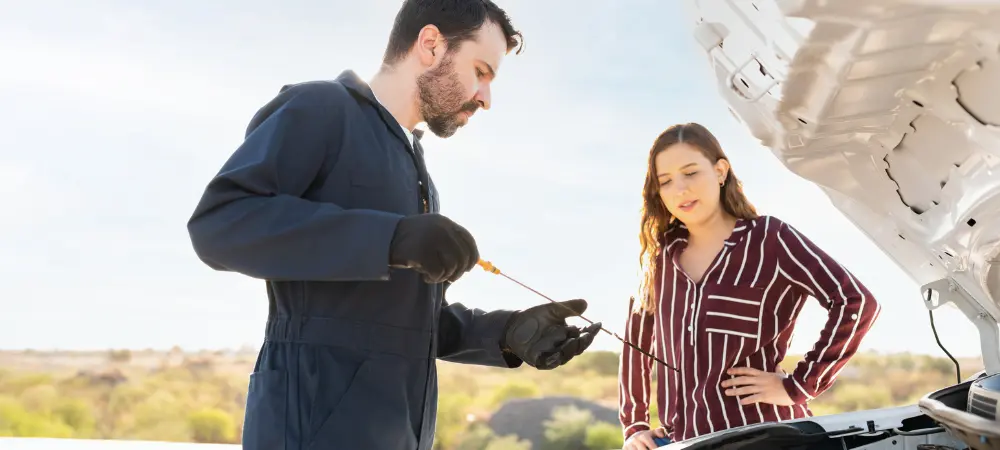
The mobile mechanic in Charleston puts the car on jack stands, checks for leaks, tests components, and looks for signs of previous damage or deferred maintenance. You get a detailed report of the vehicle’s actual condition, not just what the seller tells you. Think of it as hiring an expert advocate who speaks the language of cars and has no stake in whether you buy it or walk away.
The Hidden Problems Inspections Uncover
The stories we could tell. There was the “pristine” SUV that had a cracked engine block cleverly hidden with stop-leak additives. The sedan with fresh paint covering serious frame damage from an unreported accident. The truck with a transmission that was days away from complete failure.
These aren’t rare cases. They’re shockingly common. Sellers, whether dishonest or genuinely unaware, routinely offload vehicles with serious mechanical issues. We’ve found oil leaks that would cost $2,000 to repair. Brake systems so worn they were dangerous. Suspension components held together with hope and rust. Timing belts ready to snap and destroy the engine.
One inspection last month saved a buyer from purchasing a car with a rebuilt title that had been poorly repaired after flood damage. The electrical system was a disaster waiting to happen. The seller conveniently forgot to mention any of it. That +/- $150 inspection saved our client from a $12,000 mistake. These situations happen more often than you’d think.
How Much Money an Inspection Can Save You
Let’s talk numbers. The average major car repair costs between $1,500 and $4,000. Engine replacement? You’re looking at $4,000 to $7,000. Transmission rebuild? Another $2,500 to $5,000. A pre-purchase inspection costs a fraction of that, and it gives you the leverage you need.
When an inspection reveals problems, you have options. You can negotiate the price down to account for needed repairs. You can ask the seller to fix the issues before you buy. Or you can walk away entirely and dodge a financial bullet.
We’ve seen buyers negotiate $2,000 off the asking price after our inspection found brake and suspension work needed. Others walked away from cars that looked perfect but had engine problems that would have surfaced within months. Either way, the inspection pays for itself many times over. It’s not an expense, it’s insurance against a bad investment.
What Gets Checked During a Pre-Purchase Inspection
A thorough pre-purchase inspection covers every critical system. We start with the engine, checking for leaks, unusual noises, proper compression, and oil condition. The transmission gets tested for smooth shifting, leaks, and fluid quality. We inspect the cooling system for leaks and proper function because overheating issues are expensive.
Brakes get special attention. We measure pad and rotor thickness, check brake lines for corrosion, and test the brake fluid. The suspension and steering components are examined for wear, play, or damage. We look at tires for uneven wear patterns that indicate alignment or suspension problems.
The inspection also includes:
- Electrical system, battery, alternator, and starter testing
- Warning lights check and diagnostic code scanning
- Belt and hose examination for cracks or wear
- Frame inspection for rust, damage, or accident evidence
- Exhaust system and fluid leak checks
Why Mobile Pre-Purchase Inspections Are Game Changers
Here’s where mobile mechanics make the buying process so much easier. Traditional inspections require you to convince the seller to let you drive their car to a shop, coordinate schedules, and waste half a day on logistics. Many sellers refuse because it’s too much hassle.
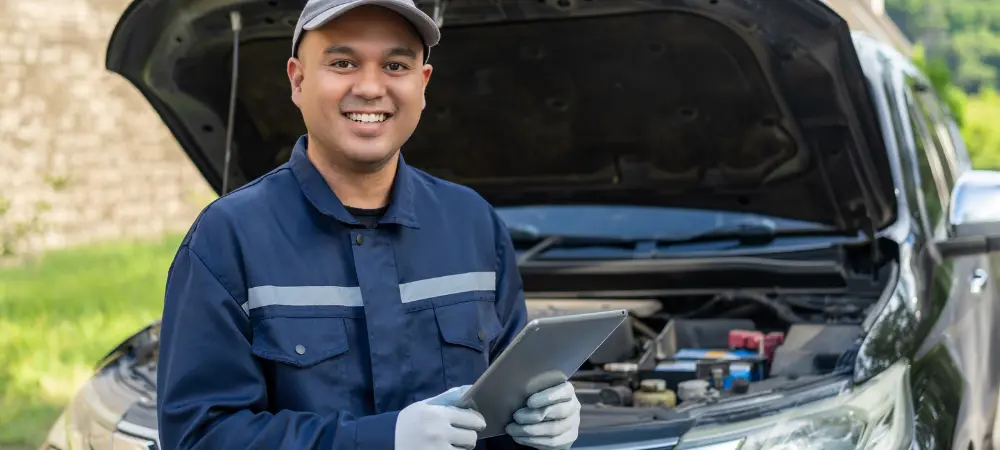
With a mobile pre-purchase inspection, we come directly to wherever the car is located. The seller’s driveway, a parking lot, a dealership, anywhere. We perform the complete inspection on site while you and the seller wait. No driving around town, no coordination nightmares, no pushy sellers rushing you.
This convenience means more sellers agree to inspections, and you get answers before money changes hands. It takes the friction out of the process and makes smart buying decisions easier.
Your Best Defense Against a Bad Deal
Buying a used car is one of the biggest purchases most people make. Don’t let excitement or pressure from a seller talk you into skipping the inspection. The few dollars you spend now could save you from thousands in unexpected repairs or from being stuck with a lemon. Knowledge is power, and a pre-purchase inspection gives you exactly that.
When you need a mobile mechanic in Charleston to inspect a vehicle before you buy, we’re here to protect your investment and give you peace of mind.